People, Property & Perspective: Brittany Durand on career changes, leadership and working with developers
Brittany Durand's career has taken her across countries, disciplines and different parts of the strata industry - from the US to Australia, from strata management to finance to business development.
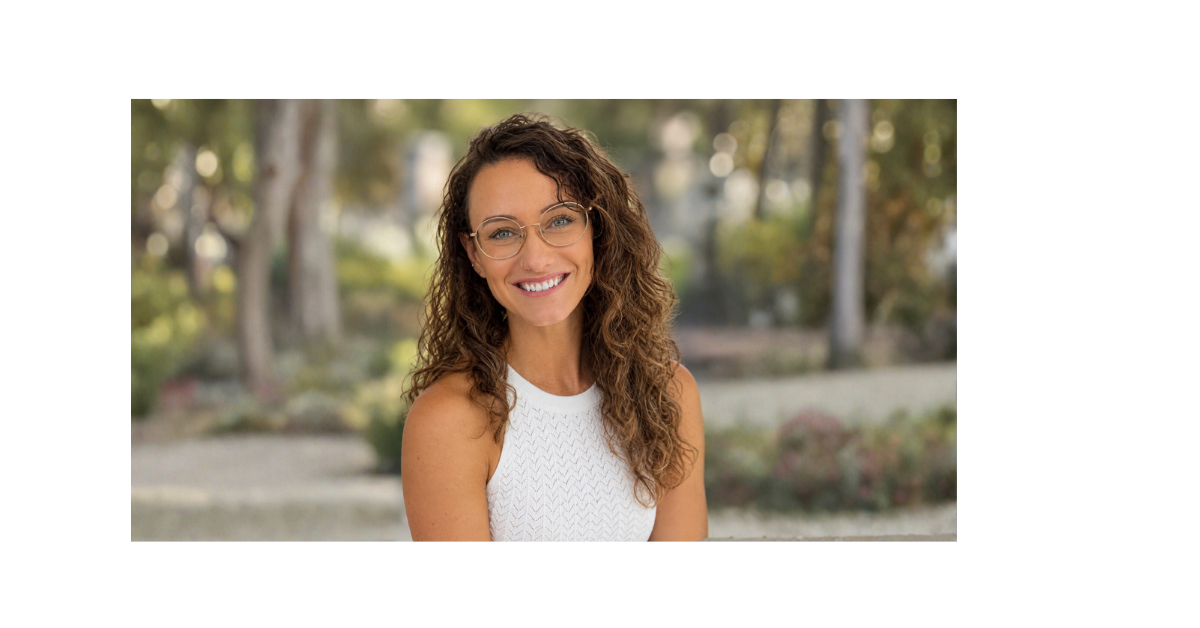
Originally from the United States, Brittany moved to Australia shortly after university. Since joining Vantage Strata, she has worked across strata management, team leadership, finance and business development, giving her a broad view of how developments move from planning through to established communities. Today, she brings that experience into Vantage's business development function, working closely with developers and helping shape a more practical, connected approach to the early stages of strata.
You moved from the United States to Australia not long after university. What was that experience like?
It was probably one of the biggest challenges I've had, but also one of the most rewarding.
“I wanted to live life beyond the small corner of the world I was used to.”
I left my family, friends and everything I knew behind. I sold my car, got rid of most of my things and moved across the world without knowing whether Australia would be somewhere I stayed long term.
At the time, the visa I was on only allowed me to work for a few months in one place before I had to move on, which made it difficult to establish a career or even build strong friendships. I had the support of my partner (my now husband) who got me through some trying times, but it was still difficult having to leave rewarding internships and career opportunities back home.
Over time, things became easier. Once my work entitlements changed, I could start building a career and putting down roots. Now, I can't really imagine my life anywhere else.
Who has shaped the way you approach your career?
My parents have probably had the biggest influence on my work ethic.
They both worked incredibly hard and gave us a great life growing up, so I was raised with the understanding that you have to work for the things you want.
They also supported me through some fairly big decisions, from moving away for university to eventually moving across the world. There would have been plenty of reasons for them to tell me to stay closer to home, but they always supported the direction I wanted to take.
That has stayed with me throughout my career. I've always been willing to give something a go, work hard at it and see where it takes me.
What brought you into the property and strata industry?
Chris Miller was a big part of it.
He approached me when I was in my previous role, and during the conversations we had before I joined Vantage, his passion for the business came through very clearly. He cared deeply about what he was building and the people involved, and that was something I wanted to be part of.
“The people are what have kept me in the industry.”
Through strata, you meet people from every walk of life. You might be working with doctors, artists, teachers, retirees or first-home buyers, often at a point where they are moving into one of the biggest assets they will ever own.
The same applies internally. Work brings together people you might never otherwise meet, and some of the strongest relationships I've built have come through the different teams and roles I've worked in.
Your career at Vantage has moved through several different functions. How has that unfolded?
I started at Vantage as a strata manager and progressed into senior strata management and team leadership, where I was also managing a team of my own.
I stayed in that space for around three or four years, managing some significant developments while also supporting other strata managers with their portfolios.
When my husband and I decided to start a family, I started thinking about whether that role would work for the stage of life I was moving into. There was a lot of after-hours work involved, and I didn't want to be in a position where I couldn't give either my team or my family the attention they deserved.
I knew Vantage was where I wanted to stay, so I had a conversation with the business about what the next chapter could look like.
When I returned from maternity leave, I moved into an accounts and finance management role, which also gave me an opportunity to use the finance qualifications I had completed at university. I worked closely with our Kuala Lumpur team and really enjoyed that period of my career.
When our previous Head of Business Development left, Rupert and Chris approached me about taking on the role. It was daunting because it carries a lot of responsibility for the growth of the business, and I've never seen myself as a traditional salesperson.
At the same time, I've always been willing to back myself when a new challenge comes along. I knew the business, the industry and our clients, so I decided to give it a go.
You say you're not a traditional salesperson. What does your approach look like?
My approach is based on understanding the industry, understanding how Vantage operates and being able to have an informed conversation about what a client or developer needs.
Having worked across strata management, team leadership, finance and now business development, I have a fairly broad understanding of what happens across the business and where problems tend to emerge.
“I don't want to make promises we can't keep. I'd prefer to understand the development, understand the problem and have a useful conversation about what comes next.”
That allows the conversation to be practical. Instead of trying to sell something for the sake of it, I can talk through what is happening in a development, where there might be gaps and how those issues can be addressed.
You've also spent time mentoring people within Vantage. What has that meant to you?
When I was a strata team leader, I had four team members working with me, and three of those women went on to receive SCA award nominations across categories including Rising Star and Strata Manager of the Year.
“One of the most fulfilling parts of leadership has been seeing people I've worked with grow and receive recognition for what they do.”
That experience was part of what encouraged me to apply for the Women in Property program. One of the things I like about the program is that after completing the initial 12 months, there is an opportunity to return as a sponsor and support someone else coming through. I'd love to be able to do that.
What are you working on now that you're particularly excited about?
One of the main projects we are developing is our Developer Roadmap.
The idea is to create a practical resource that supports developers from the development application stage through budgeting, construction, registration and ultimately settlement.
A lot of planning goes into developing a building, but once that building becomes a functioning strata community, there are operational considerations that can easily be missed.
What has to come together, and when
- Waste applications
- Registration paperwork
- Maintenance schedules
- Budgets
- Warranties
- Building information
When those requirements are left until late in the project, teams can end up scrambling close to settlement. The roadmap is designed to bring those conversations forward.
We can work with developers earlier on budgeting assumptions, rising trade and material costs, utilities and other practical considerations that affect how the building will operate once people move in.
Then, as the project moves closer to completion, we can work through the legislative and operational requirements early enough that settlement is not being held up by work that could have been addressed months earlier.
“The goal is to get to settlement with the work already done, the advice already given and everything ready to be executed.”
How does that change the relationship between a developer and their strata partner?
The opportunity is to be involved throughout the development journey instead of coming in for a budget early on and then disappearing until registration.
When strata is involved early, we can share what we have seen work across other developments and identify practical issues before they become problems for the developer or the future owners.
Once residents begin moving in, they expect the building to operate properly. They need warranty information, appliance manuals, clear building information and systems that are ready to go.
When those pieces are in place, the transition into an operating community is smoother for everyone involved, including the developer, the incoming owners and the strata team.
For us, that is the direction we want to continue developing: working alongside developers earlier and bringing practical strata experience into the decisions being made throughout the project.
Looking back across your career so far, what are you most proud of?
It's difficult to point to one moment.
There have been individual achievements along the way, but I think I'm proud of the bigger picture and the way my career has developed over time.
I've had opportunities to work across different areas, lead teams, learn from people around me and take on roles I probably wouldn't have imagined when I first started.
There are moments at work, family events or social occasions where I look around and realise how fortunate I am to have good people around me.
I'm proud of the career I've built, but I'm also proud of the relationships that have come with it.
What advice would you give someone going through a difficult period, professionally or personally?
When I'm having a difficult time, calling my parents, grandparents or mother-in-law can completely change how I'm feeling. Sometimes it can be as simple as going for a walk around the lake and giving yourself the space to reset.
For a long time, people were encouraged to keep things to themselves and push through. I think we have become much more comfortable talking about mental health, checking in on friends and giving people space when they need it.
The people you surround yourself with make a huge difference, particularly when things are difficult.
“Lean on your people, have the conversations and make time for the things that help you reset.”
Working on a development and want to talk it through early?
Get in touch with the Vantage Strata team to see how our Developer Roadmap can support your project from planning through to settlement.
Request a Quote